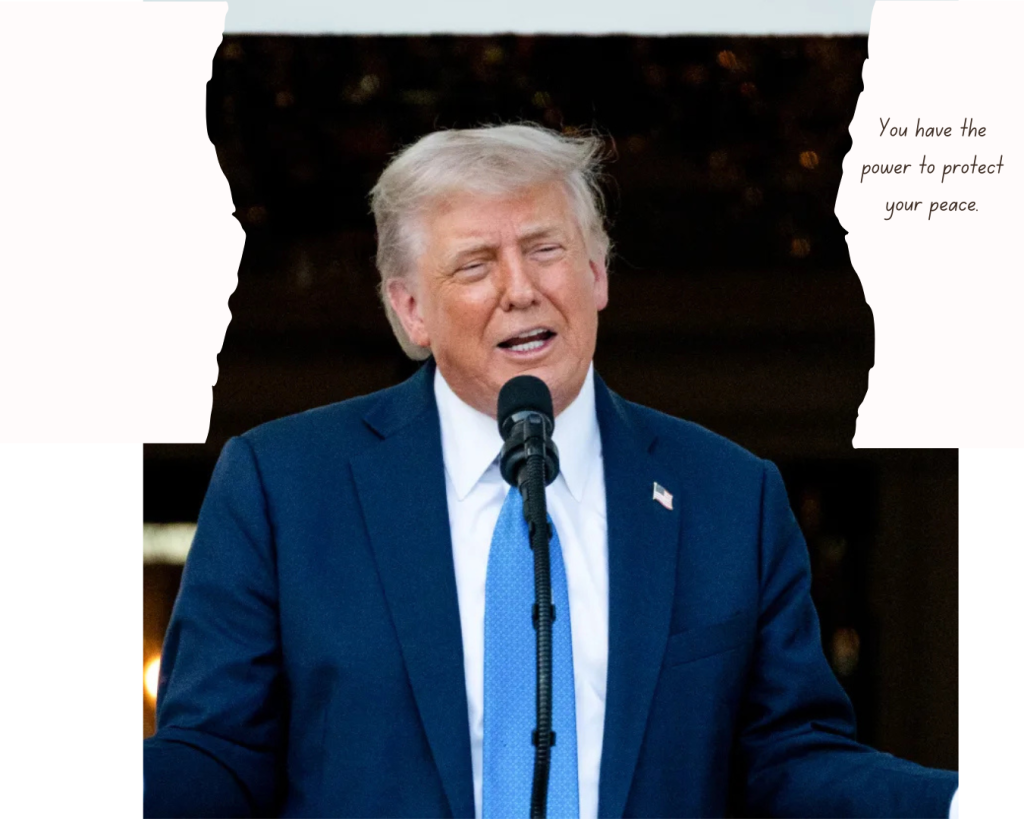

Trump Ban Countries Policy Sparks Controversy and Global Reactions
In a move that reignites a globally polarizing issue, the Trump administration has barred citizens from 12 nations from entering the United States. This bold step, heavily rooted in national security concerns, is being referred to as part of the “Trump ban countries” policy — a phrase that has come to symbolize the broader immigration stance of the former president.
On Wednesday, the Trump administration signed a presidential proclamation suspending travel to the United States for individuals hailing from Afghanistan, Myanmar, Chad, Congo, Equatorial Guinea, Eritrea, Haiti, Iran, Libya, Somalia, Sudan, and Yemen. The proclamation states that these “Trump ban countries” lack sufficient vetting and screening mechanisms necessary to prevent the entry of foreign nationals who could pose threats to American safety and national security.For more details please visit:https://iiicsacademy.com/2025/06/04/usns-harvey-milk-renaming-sparks-debate-over-legacy-values/
Trump Ban Countries Policy: Security, Vetting, and Political Rhetoric
The administration cited the inability of the listed countries to meet baseline security protocols as the primary reason behind the travel restrictions. According to officials, factors that led to the classification of these “Trump ban countries” included inadequate identity-management systems, lack of data-sharing agreements with the U.S., high rates of visa overstays, and a reluctance or refusal to accept deported citizens.
The directive is set to take effect on Monday at 12:01 a.m. ET. While the move is consistent with the administration’s goal of bolstering border security, it has also reignited heated debates about race, religion, and global diplomacy.
Expansion of Entry Restrictions Beyond the Original 12 Nations
Along with the 12 countries subject to a complete travel suspension, another seven nations face partial restrictions. These include Burundi, Cuba, Laos, Sierra Leone, Togo, Turkmenistan, and Venezuela. For these countries, the policy applies selectively based on visa categories and individual circumstances.
This extension echoes Trump’s first travel ban in January 2017 — an order that banned travel from several Muslim-majority nations just one week into his presidency. Although it faced legal challenges and widespread protests, the Supreme Court upheld the policy in 2018. President Joe Biden reversed that ban in 2021, framing it as discriminatory and inconsistent with American values.
Trump’s Video Message and the Boulder Attack Reference
In a video released by the White House on Wednesday night, former President Trump stated that he had directed the Secretary of State on his first day in office to review high-risk regions and recommend travel restrictions. He emphasized the need for vigilance in protecting the American homeland and referenced a recent violent incident in Boulder, Colorado.
The attack involved Mohamed Sabry Soliman, an Egyptian national, who allegedly targeted Jewish protestors. Although Egypt is not on the current list of banned countries, Trump used the incident to underscore the ongoing need for strong immigration controls. “We must act before it’s too late,” he said in the video.
Opposition Voices: Democrats Push Back
The “Trump ban countries” policy has not gone unchallenged. Leading Democratic lawmakers, including Senator Adam Schiff (D-Calif.) and Senator Ed Markey (D-Mass.), quickly took to social media to condemn the policy. In a strongly worded post on X (formerly Twitter), they declared, “Make no mistake: Trump’s latest travel ban will NOT make America safer. We cannot permit the Trump administration to continue incorporating bigotry and hatred into immigration policy.”
Former House Speaker Nancy Pelosi also joined the chorus of dissent, stating, “This policy is not only misguided but a betrayal of our values as a nation built by immigrants.” Civil rights organizations and advocacy groups echoed these sentiments, warning that such measures could further strain America’s image abroad and alienate key international partners.
Humanitarian Exemptions and National Interest Waivers
Despite the sweeping nature of the “Trump ban countries” proclamation, several exemptions have been outlined. U.S. permanent residents, individuals participating in international sporting events, and immediate family members with “clear and convincing evidence of identity and family relationship” — including DNA proof — may still be granted entry.
This clause aims to mitigate the policy’s humanitarian impact, particularly on families and high-profile professionals. However, critics argue that the burden of proof remains overly stringent and could lead to undue suffering for people caught in bureaucratic limbo.
Trump Ban Countries Policy: Impacts on Global Perception
The implementation of the “Trump ban countries” policy once again places the United States under the global spotlight. While proponents see it as a necessary measure to strengthen national security, opponents argue that it reflects a xenophobic and fear-driven approach.
International leaders have expressed concern over the unilateral nature of the policy. Diplomatic officials from affected nations have begun lobbying for waivers or policy reversals, fearing economic and social repercussions for their citizens.
This latest action demonstrates how immigration policies remain central to the political identity of the Trump movement. Whether seen as bold leadership or divisive governance, the “Trump ban countries” initiative adds another layer to the complex narrative of American immigration reform.
Looking Forward: What’s Next for U.S. Immigration?
As the travel restrictions take effect, questions loom over their long-term impact on U.S. diplomacy, human rights, and domestic unity. With the 2024 elections on the horizon, immigration will undoubtedly remain a hot-button issue.
The challenge, as always, lies in balancing national security with compassion, law with liberty, and sovereignty with global responsibility. The world will be watching closely to see how the “Trump ban countries” policy unfolds — and how it shapes the legacy of American governance in the modern era.


