
Harvey Milk Navy Ship Renaming Sparks Nationwide Debate and Cultural Reflection
In a bold move signaling a significant cultural shift within the U.S. military, the Pentagon has announced plans to rename the Navy oiler ship, USNS Harvey Milk. This renaming comes as part of a broader effort by the Department of Defense to realign military symbolism with a renewed emphasis on “warrior culture.” The announcement, made public during Pride Month, has triggered widespread debate, particularly over the ship’s original namesake—San Francisco gay rights activist and Navy veteran, Harvey Milk.
According to a leaked memo from the Office of the Secretary of the Navy, the decision to rename the USNS Harvey Milk is in line with the strategic goals of President and Defense Secretary Pete Hegseth. It aligns with the priorities of Navy Secretary John Phelan, who has been tasked with reestablishing the U.S. Navy’s commitment to a traditional warrior ethos. Chief Pentagon spokesman Sean Parnell confirmed that additional changes to military ship names could follow as the cultural reformation deepens.
Why the Harvey Milk Renaming Controversy Matters
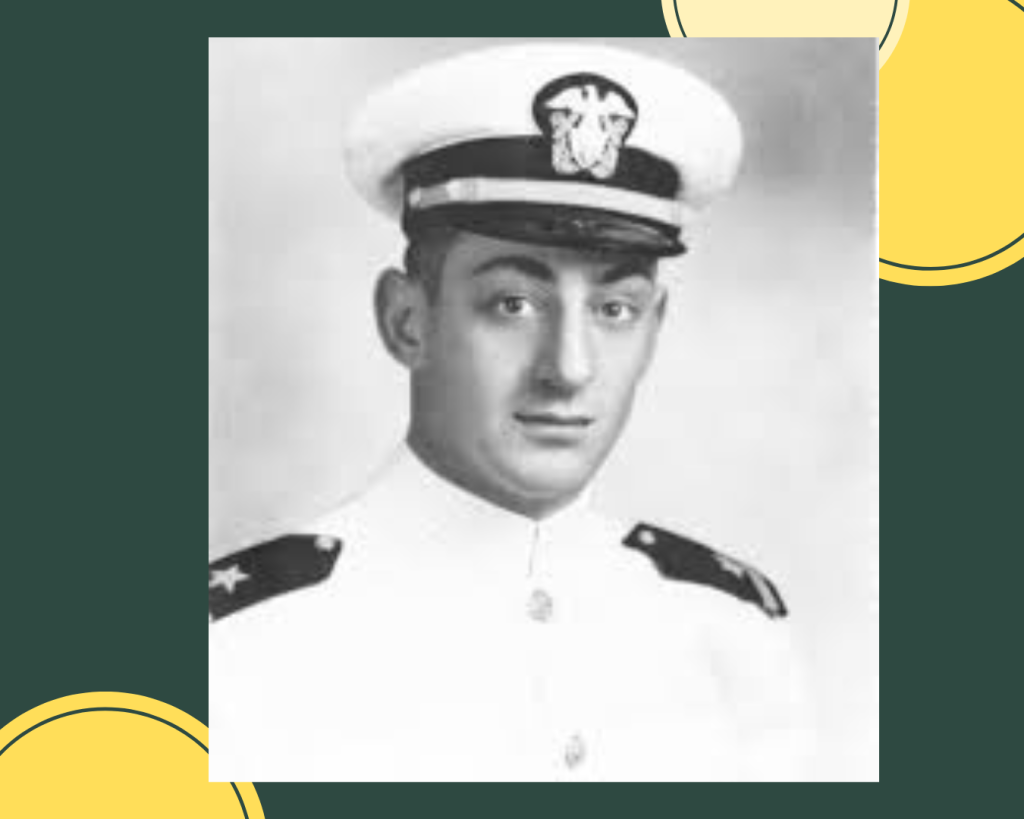
Harvey Milk was one of the first openly gay elected officials in U.S. history. His contributions to civil and human rights, especially for the LGBTQ+ community, made him a historic figure. Milk enlisted in the Navy in 1951, serving with distinction until 1955 when he resigned as a lieutenant junior grade amid investigations into his sexual orientation.
When the USNS Harvey Milk was christened in 2016 during the Obama administration, it was widely seen as a symbolic gesture of progress and inclusivity. The ship made its maiden voyage in 2024, arriving in San Francisco to a hero’s welcome. The Harvey Milk Foundation described him as a “visionary civil and human rights leader who broke barriers for all to chase the American Dream.”
for more details visit :https://www.foxnews.com/politics/navy-ship-usns-harvey-milk-renamed-part-pentagons-warrior-culture-shift
Reactions to the Harvey Milk Name Removal
The decision to remove Harvey Milk’s name has ignited passionate responses from across the political spectrum. Representative Nancy Pelosi, D-Calif., issued a heartfelt rebuke, calling the decision “shameful” and a “vindictive erasure of those who fought to break down barriers.” She continued, “This spiteful move… is a surrender of a fundamental American value: to honor the legacy of those who worked to build a better country.”
Pelosi also expressed hope that the Navy would reconsider the renaming during Pride Month, a time traditionally marked by celebration and progress for the LGBTQ+ community.
The Cultural Significance Behind the Harvey Milk Legacy
While many see the renaming as a return to traditional military values, others view it as a reversal of hard-won social progress. Harvey Milk’s story is emblematic of the broader struggle for equality and acceptance. Despite facing discrimination, Milk courageously served his country in uniform before going on to change the world through political activism.
Milk’s political career began when he was elected to public office in San Francisco in 1977. He championed the rights of the marginalized and stood as a beacon of hope for those who felt unseen by the political system. The use of his name on a U.S. Navy ship symbolized not just inclusion but also a tribute to courage in all its forms—whether on the battlefield or in the fight for civil rights.for more details visit:https://www.military.com/daily-news/2025/06/03/hegseth-orders-navy-strip-name-of-gay-rights-icon-harvey-milk-ship.html
A Shift Toward Warrior Culture
Defense Secretary Pete Hegseth’s directive reflects a pivot toward what he describes as a “warrior culture.” According to insiders cited by the Military Times, the Pentagon aims to return the military’s image to one centered on traditional combat readiness, physical endurance, and historical symbolism rooted in battlefield valor.
This shift has been criticized by human rights advocates, who argue that the military can maintain combat readiness while still honoring trailblazers like Harvey Milk. Critics claim the removal of his name erases valuable history and discourages diversity in the armed forces.
Animal Testing and Broader Ethical Questions
Interestingly, this renaming debate is occurring amid renewed criticism over Navy-conducted dog and cat experiments. PETA and other animal rights organizations have published reports on taxpayer-funded animal testing, questioning ethical standards across various military sectors. These broader ethical debates add further complexity to the Harvey Milk controversy, raising the question: What values should the military embody and promote?
International Tensions and Political Ramifications
Internationally, the move has not gone unnoticed. China recently criticized Defense Secretary Hegseth for what it termed a “Cold War mentality,” further straining diplomatic relations. The renaming of the USNS Harvey Milk has become a symbol not only of domestic cultural struggle but also of shifting geopolitical postures.
Conclusion: The Lasting Legacy of Harvey Milk
As the U.S. Navy and Department of Defense move forward with their warrior culture rebranding, the name Harvey Milk continues to resonate far beyond the decks of a naval vessel. It represents a movement, a memory, and a moral compass pointing toward a more inclusive America.
Whether or not the Navy ultimately follows through with the renaming, the story of Harvey Milk remains etched in the annals of American history. His legacy is a reminder that courage takes many forms, and that freedom is best upheld when all voices are honored.


